
Distinguished Fellow
-
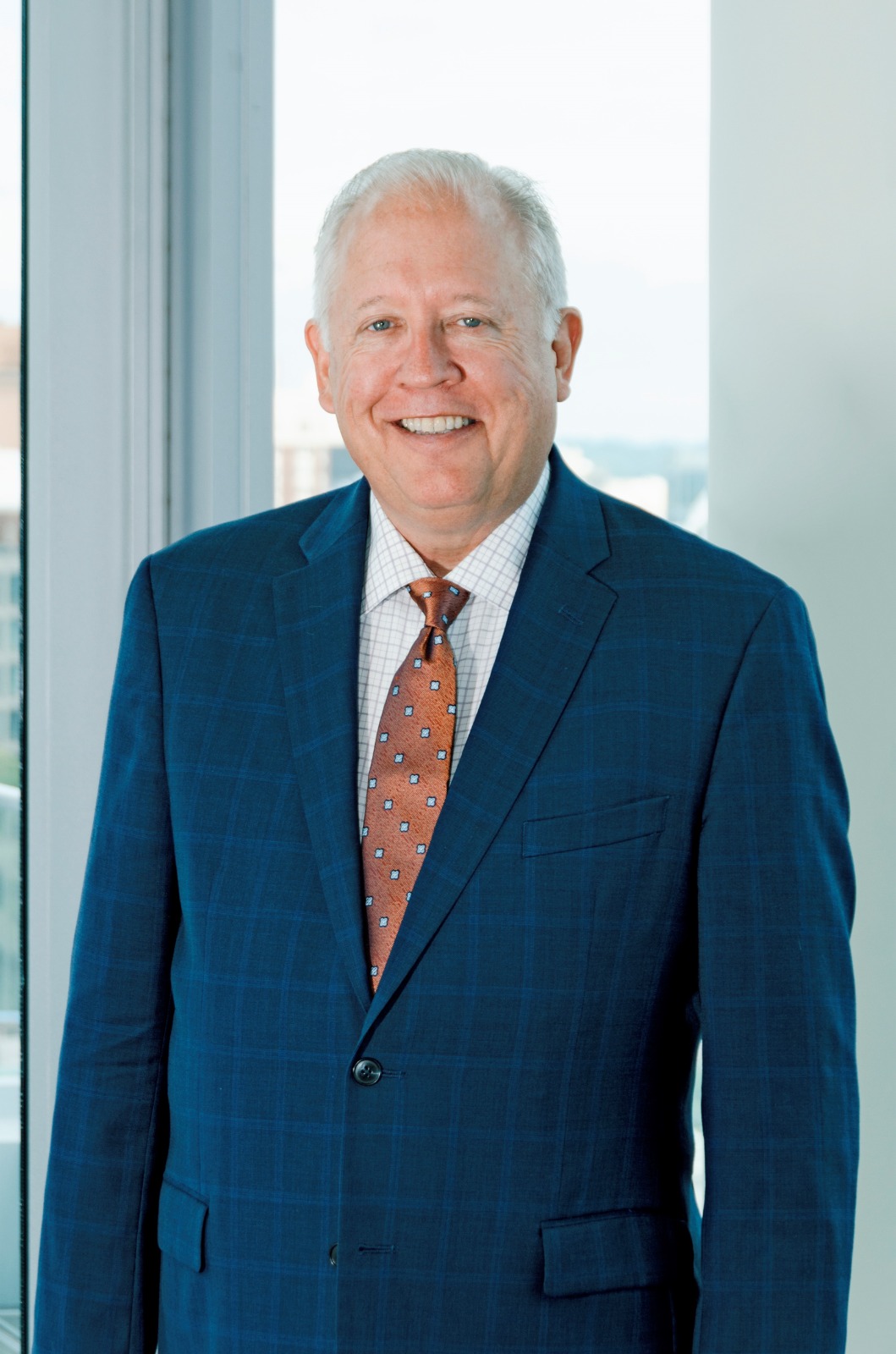
Ambassador Thomas A. Shannon Jr.
Ambassador Shannon is a Senior International Policy Advisor at Arnold & Porter. Prior to joining the private sector, Ambassador Shannon spent nearly 35 years in the Foreign Service and served 6 U.S. presidents and 11 secretaries of state.
Ambassador Shannon served as Under Secretary of State for Political Affairs. During his tenure as Under Secretary, he was in charge of bilateral and multilateral foreign policymaking and implementation, and oversaw diplomatic activity globally and in U.S. missions to international organizations. Prior to his 2016 appointment by President Obama as Under Secretary of State for Political Affairs, Ambassador Shannon was the U.S. Ambassador to Brazil. He also served as Assistant Secretary of State for Western Hemisphere Affairs (2005-2009), Special Assistant to the President and Senior Director for Western Hemisphere Affairs at the National Security Council (2003-2005), Deputy Assistant Secretary of Western Hemisphere Affairs at the Department of State (2002-2003) and Director of Andean Affairs (2001-2002). From 2000-2001, he was U.S. Deputy Permanent Representative to the Organization of American States, with the rank of Ambassador. During his career, Ambassador Shannon served in the U.S. Foreign Service at embassies in Guatemala, Brazil, South Africa and Venezuela.
Senior Fellows
-
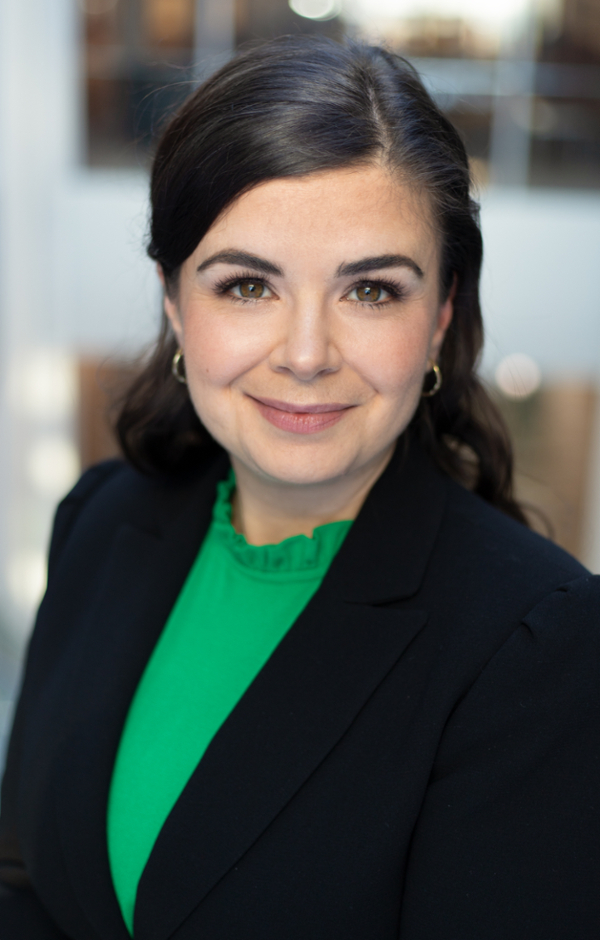
Rebecca Bell-Martin
Assistant Professor of Political Science, el Tecnológico de Monterrey
Email | TwitterShe is an assistant professor of political science at el Tecnológico de Monterrey, México. Her work bridges debates from comparative politics and international relations. Bell-Martin investigates questions related to: political behavior in violent contexts, the politics of criminal violence, and political participation in the Global South.
She also explores these questions through a combination of qualitative, quantitative, and experimental methods and has extensive experience conducting field research in Latin America.
-
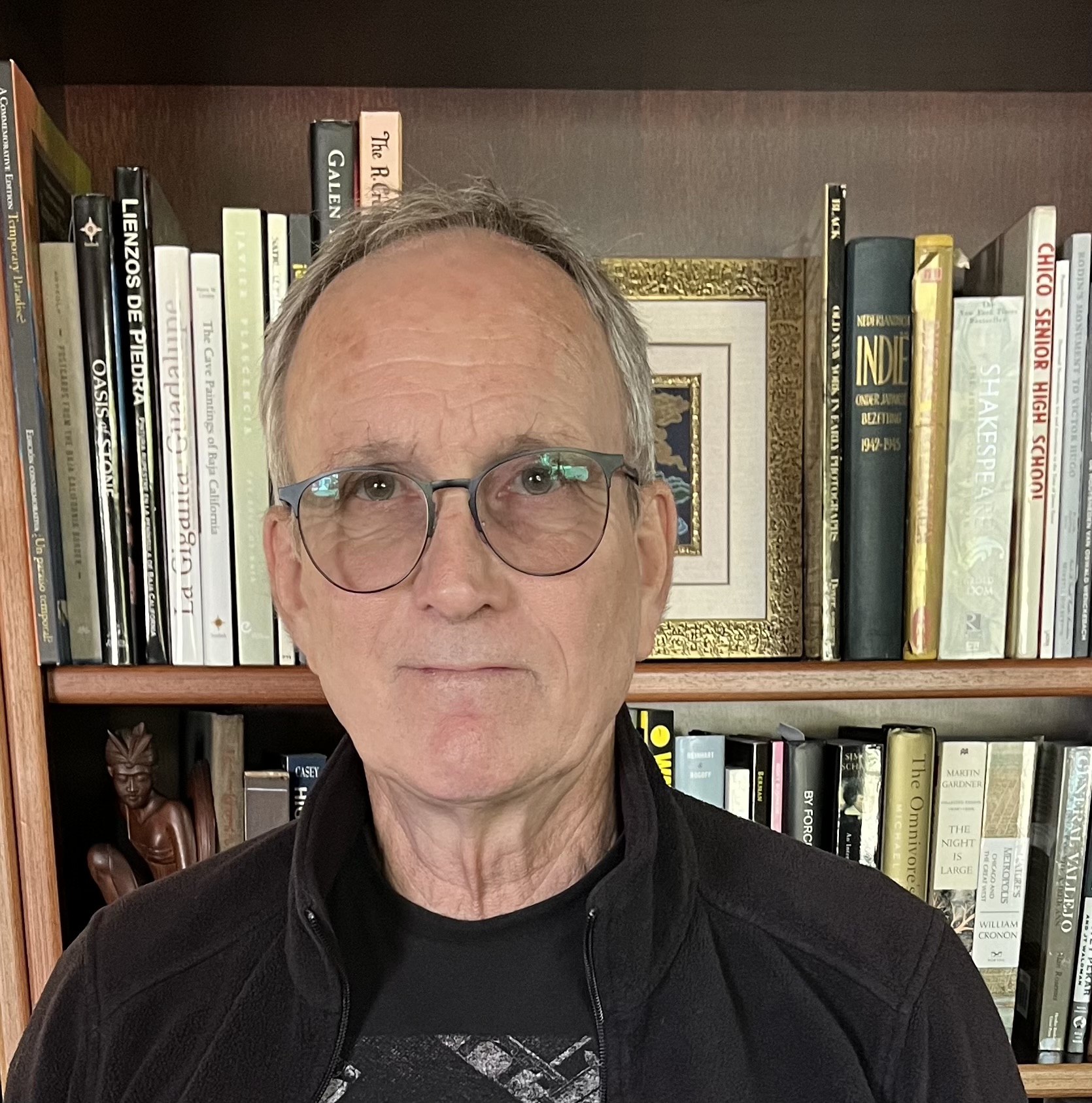
James Gerber
Emeritus Professor of Economics, San Diego State University; and Non-resident Scholar, Rice University Center for U.S. and Mexico
EmailJames Gerber is a senior fellow in the Center for U.S.-Mexican Studies at UC San Diego and professor of economics, emeritus, San Diego State University. His research focuses on the macro-economic history of Mexico, the U.S.-Mexico border region and U.S.-Mexico relations. In addition to his recent book, "Border Economies: Cities Bridging the U.S.-Mexico Divide Border," he is the co-author (with Joan Anderson) of "Fifty Years of Change on the U.S.-Mexico Border" (University of Texas, 2008), an economic history of financial crises, "A Great Deal of Ruin: Financial Crises since 1929" (Cambridge Univety Press, 2019), and a widely used undergraduate text, "International Economics" (Pearson Higher Education, 8 editions). Recent articles in academic journals include “The U.S.-Mexico Border Human Development Index, 1990–2015” (with Joan Anderson) “Does Mexico need free trade with the United States?” (with Yang Liang) and “The U.S. Panic of 1907 and the Coming of the Mexican Revolution” (with Thomas Passananti).
-
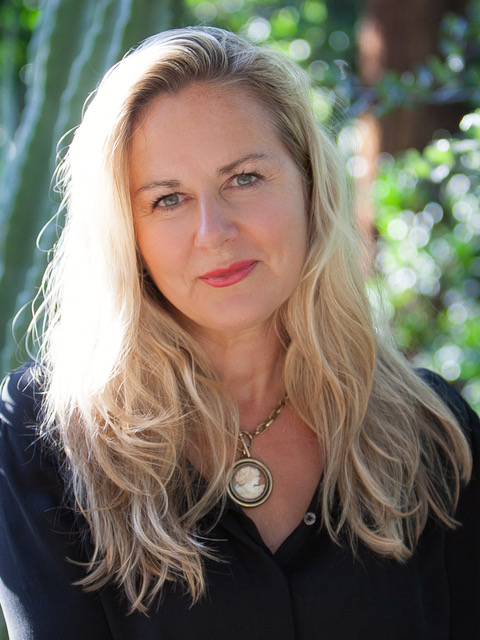
Sandra Rebok
Historian
Rebok's WebsiteSandra Rebok is a historian and social scientist specializing in 18th- and 19th-century scientific exploration voyages and the political contexts in which they occurred, with a particular focus on the complex entanglements between the pursuit of politics and of science. Trained in Germany, Spain, and France, she has held academic appointments and fellowships at leading institutions in Europe and America, and gained curatorial and advisory experience through international exhibitions and cultural diplomacy projects. Committed to interdisciplinary dialogues and global approaches, along with a strong interest in science diplomacy, history diplomacy, and culture and foreign policy, she seeks to illustrate how historical knowledge contributes to a better understanding of the challenges of today’s societies.
With more than 20 years of experience in Humboldtian scholarship, with a particular focus on his connections to the Spanish Empire and the United States, she is currently working on a new book project that analyzes Thomas Jefferson’s strategic pursuits regarding the Southwest under Spanish and Mexican governance. The overall goal of this book project is to illustrate how, from the American Revolution onward, the U.S. nation-building process and the developments in the Spanish and later Mexican Southwest became increasingly intertwined, culminating in the U.S. annexation of this region in 1848. It addresses the urgent need to better understand the Hispanic presence in the U.S. today by tracing the historic legacy of the Southwest as a space that has generated a common culture, identity, and history, which remains visible in this region, both within and beyond the U.S. border.
-
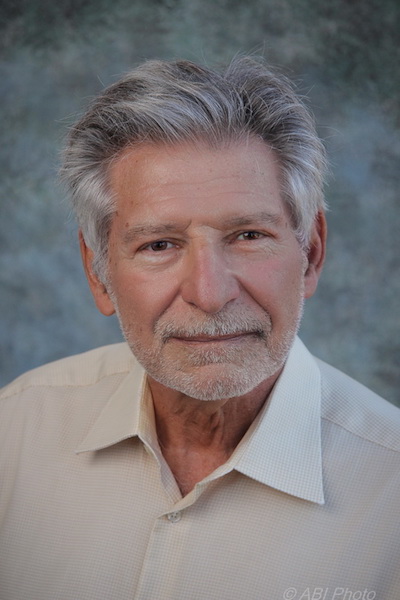
Alan Sweedler
Senior Advisor for Energy and Environment
EmailAlan Sweedler is Senior Advisor for Energy and Environment at USMEX where his expertise is in the area of energy policy, technology and environmental impacts of energy use, especially climate change and the energy-water nexus. Sweedler was a Congressional Science Fellow and worked in the U.S. Senate on issues of energy, water and national security. He was also a Carnegie Foundation Science Fellow at Stanford’s Center for International Security and Arms Control and was a visiting scholar at the University of California’s Institute on Global Conflict and Cooperation as well as director of the California Energy Commission’s Energy Innovation Small Grants Program. He has edited, co-edited and contributed chapters to books dealing with energy, air quality, security and climate change with a focus on the U.S.-Mexico border region. He recently retired from San Diego State University, where he was associate vice president in charge of the university’s international programs, director of the Center for Energy Studies and a professor of physics. He currently holds a PIMSE Chair as a Distinguished Visiting Professor at CETYS University in Mexico and serves on the Congressionally mandated Good Neighbor Environmental Board (GNEB).
Advisory Fellows
-
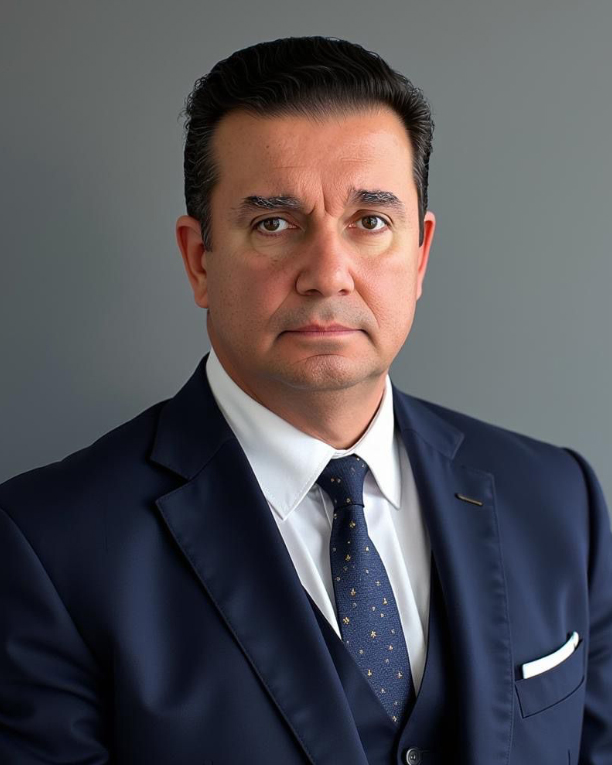
Roberto Arechederra
Strategic Advisor for Binational Initiatives
Roberto Arechederra is an expert in corporate strategy and finance, seamlessly combining his roles as an investment banker, advisor, and economic analyst with a strong passion for education and thought leadership.
Professional Background Summary:
- Public Service: Served as secretary of economic development for the State of Jalisco (2021–2024), leading major initiatives to foster investment, innovation and competitiveness.
- Private Sector Leadership: Currently managing partner and chairman of the board at Bursar, a strategic-consulting and investment banking firm, as well as an angel investor supporting high-potential ventures.
- Media and Community Engagement: Founder of Aldea Financiera, a platform devoted to personal and financial growth. He has also been an economic analyst and commentator for more than 20 years on major networks such as Televisa.
- Academic and Leadership Roles: Former president of IMEF Guadalajara, recognized for his leadership in Mexico’s financial sector. He is also a professor at Universidad Panamericana and a fellow at the University of California, San Diego.
- Author: Bestselling author of “¡Puedo Llegar! Your Path to Financial Freedom Begins with the First Step.”
-
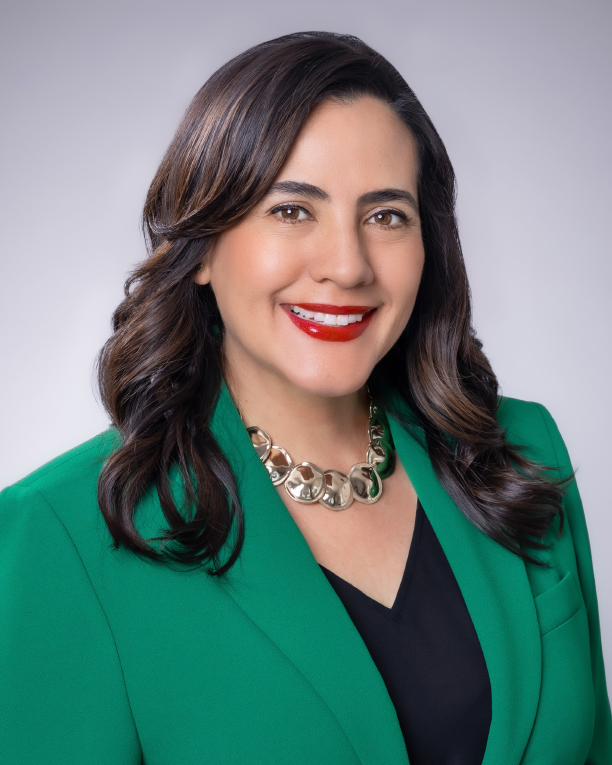
Denice García
Denice García is a public-sector leader with more than 20 years of experience in government, economic development and international affairs. She serves as chief binational affairs officer for the County of San Diego, where she advances collaboration with government, community and business partners across the U.S.-Mexico border region, identifies strategic opportunities and helps deliver solutions that benefit the county and the binational community.
Throughout her career, García has held senior leadership roles at the county and city levels, managing complex operations, multimillion-dollar budgets and cross-functional teams. She has helped shape policy priorities and represented elected leadership with regional, national and binational stakeholders. Her work includes leading binational initiatives, advancing the U.S.-Mexico Border Mayors Association, supporting the creation of San Diego’s first immigrant affairs manager position, and contributing to the Welcoming San Diego Strategic Plan for immigrant integration.
She holds a master’s degree in public administration from National Urban Fellows at the City University of New York and a bachelor’s degree in international business from San Diego State University.
-

Brian Stevenson
Brian Stevenson is a leader in academia, government and the private sector with more than three decades of experience. From 2019 to 2025, he served as president and CEO of Navitas North America, University Partnerships Division. In 2018, he was the Fulbright Research Chair in the U.S.-Mexico Studies Center at UC San Diego's School of Global Policy and Strategy.
From 2010 to 2017, Stevenson served as president and vice-chancellor of Lakehead University, a public research institution with two campuses in Ontario, Canada. He also was a professor in the Faculty of Business Administration. Before joining Lakehead, he served as provost and vice-president, academic, at the University of Winnipeg from 2006 to 2010 and was a professor in the Faculty of Business and Economics.
Stevenson began his career at the Instituto Tecnológico Autónomo de México in Mexico City and later was the Imperial Oil/Royal Bank Visiting Associate Professor of International Business at the University of Alberta School of Business. He then served as senior policy adviser to Canada’s ministers of international trade and foreign affairs in Ottawa. He returned to the University of Alberta as vice-provost and associate vice-president (international) and as an associate professor in the School of Business.
In 2005-06, he served as interim executive secretary for international development and interim director general for the Inter-American Agency for Cooperation and Development at the Organization of American States. In 2006, he was a public policy scholar at the Woodrow Wilson International Center for Scholars in Washington, D.C.
Stevenson has written widely on Canadian foreign policy, including policy toward Latin America and Canada-Mexico relations.
He grew up in the United States, Canada and Mexico, is fluent in English and Spanish, and holds a bachelor’s degree (honors) and a master’s degree from the University of Victoria in British Columbia, as well as a doctorate from Queen’s University in Kingston, Ontario.
In Residence: Visiting Fellows
-
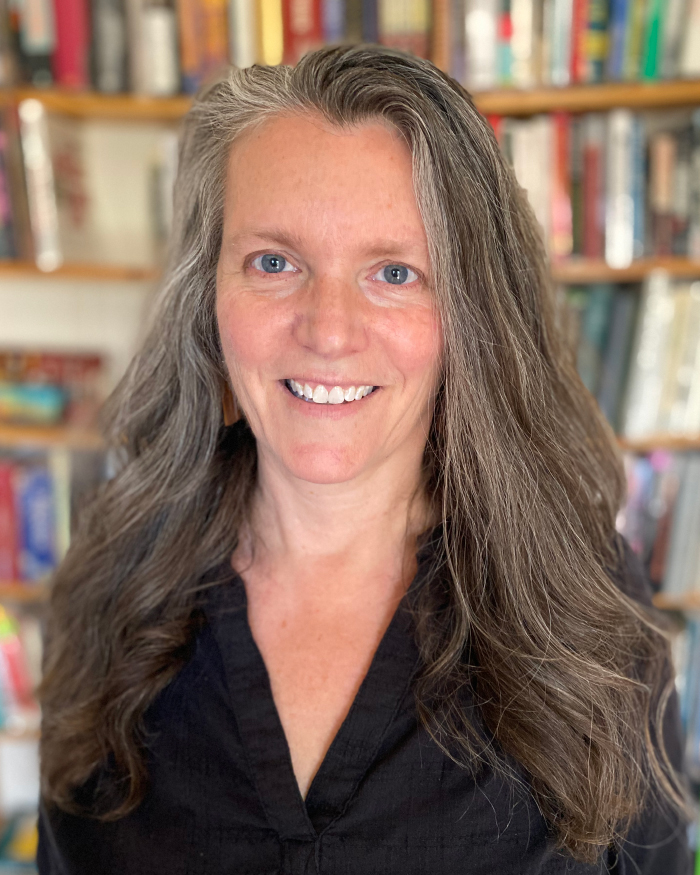
Deborah Boehm
Visiting Scholar
Home University: University of Nevada, Reno
Research Question: Unseen: U.S. Immigrant Prisons and Abolitionist Acts -

Juan Carlos Campos
Visiting Graduate Student
Home University: University of California, Berkeley
Research Question: When Local Governments Adopt Security Policies That Paradoxically Protect Organized Criminal Groups in Mexico -

Guadalupe Chávez
UC President's Postdoctoral Fellow
Home University: UC San Diego
Research Question: Mexico's Policy Responses to Return Migration: Trends and Drivers (1930–2025) -

Rodolfo Cruz Piñeiro
Visiting Scholar
Home University: El Colegio de la Frontera Norte (COLEF)
Research Question: Consequences and Effects of the U.S. Immigration Policy Implemented by the New Administration Beginning in January 2025 -

Diane Davis
Visiting Scholar
Home University: Harvard University
Research Question: City, Nation, Network: Police Impunity, Security Assemblages, and the Fragmentation of Sovereignty in Modern Mexico -

Anel Flores Novelo
Visiting Scholar
Home University: Universidad Autónoma de Yucatán
Research Question: How Migration Experiences Shape Entrepreneurial Trajectories among Individuals from Rural and Impoverished Communities in Yucatán -

Luz María Gallardo
Visiting Graduate Student
Home University: University of Santiago de Compostela
Research Question: Evaluation of Public Policies for the Energy Transition and Sustainable Development in Cross-Border Regions -

Francisco Guerrero
Visiting Scholar
Affiliation: Former Secretary for the Strengthening of Democracy, Organization of American States (OAS)
Research Question: A Decade of Turmoil and Transformation: U.S.-Mexico Relations and Hemispheric Democracy 2015–2025 -
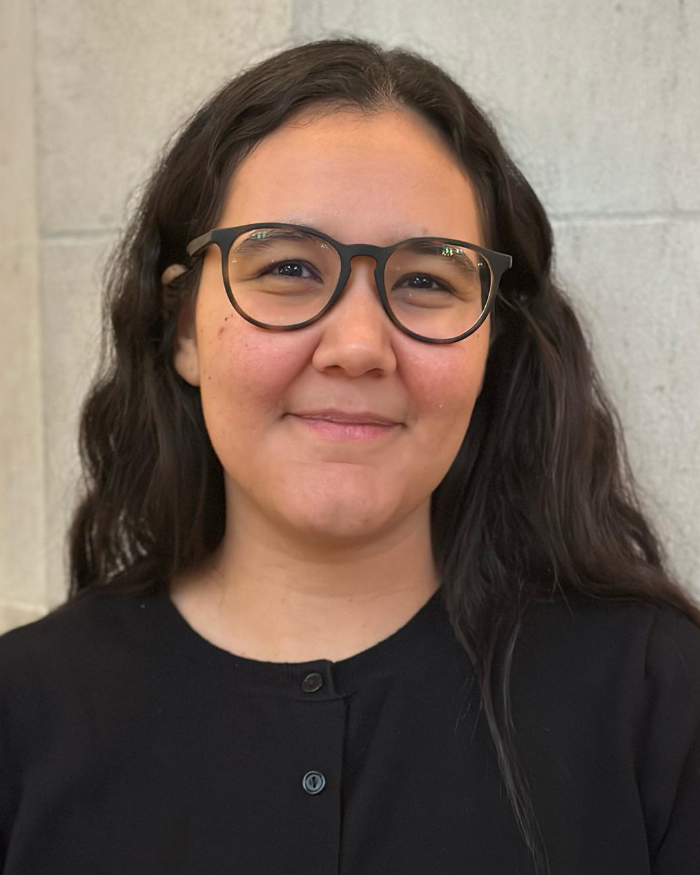
Martha Guerrero Badillo
Visiting Graduate Student
Home University: Yale University
Research Question: Fighting for Legal Status: How a Grassroots Immigrant Rights Coalition and Hemispheric Migrants Built Legalization Pathways in the Late Twentieth Century -

Marco Miranda
Visiting Graduate Student
Home University: Tecnológico de Monterrey
Research Question: AI-Assisted Trade Compliance: A Binational Knowledge Graph Approach -

Lidana Montoya
Visiting Graduate Student
Home University: Universidad Veracruzana
Research Question: Between Public and Private. From State Displacement and User Depoliticization toward New Forms of Intervention in the Platform Economy: The Case of Uber in Mexico City (2015–2025) -

Fernando Ojesto Martínez Manzur
Visiting Scholar
Home University: UNAM / Kellogg Institute, University of Notre Dame
Research Question: The Counter-Majoritarian Dilemma Revisited: Courts as Builders and Dismantlers of Democracy -
Lydia Pérez Pastrana
Visiting Graduate Student
Home University: Tecnológico de Monterrey
Research Question: Environmental Regulation and Circular Economy Processes in Mexico -

Maria Puolakkainen
Visiting Graduate Student
Home University: University of Oxford
Research Question: Whether Large Minimum Wage Increases Generate Real Income Gains among Informal Workers in Mexico -

Sebastián Raphael Priego
Visiting Graduate Student
Home University: University of Oxford
Research Question: Why Democratically Elected Presidents Choose to Use Military Forces in the Implementation of Domestic Policy -

Pilar Salazar
Visiting Graduate Student
Home University: UNAM
Research Question: Binational Tool to Analyze Mexico's Recent NDC 3.0 -

José Andrés Sumano Rodríguez
Visiting Scholar
Home University: El Colegio de la Frontera Norte (COLEF)
Research Question: Organizational Transformations, Territorial Dynamics, and Governance Strategies of Criminal Networks Currently Active across the Border Region -

Guillermo Yrizar Barbosa
Visiting Scholar
Home University: Universidad Iberoamericana Puebla & Universidad Autónoma de Tlaxcala
Research Question: Voces Buscadoras: What do we understand by the disappearance of migrants in Mexico?
Non-Residential Visiting Fellows
-
Michell Álvarez López
Visiting Scholar
Home University: Universidad Autónoma de Baja California
Research Question: Freedom of Speech, Democracy, and Normative Control of Speech: A Comparative Analysis of Mexico and the United States -
Elsa De La Rosa
Visiting Graduate Student
Home University: Northwestern University
Research Question: The Influence of the U.S. in Shaping Anti-Chinese Sentiment in Mexico, with Particular Attention to the State of Sonora